We make the fixture and we draw the plan.
Most lighting companies do one or the other. Manufacturers ship a box and leave the layout to someone else. Design consultants specify hardware they have never opened. We do both, which is why the photometrics we publish are the performance you get on site.
Light is a structural element, not a finish.
A room is shaped by where light falls and where it does not. That decision belongs in the drawing set, alongside the ceiling detail and the millwork, not in a shopping cart at the end of the job.
So we build fixtures that disappear into the architecture: small apertures, deep regress, high CRI, and a trim family that lets one ceiling mix fixed, adjustable, and trimless without the layout announcing itself. Then we calculate the layout against those fixtures, because a beam angle only means something when you know the ceiling height it is aimed from.
The result is a specification that survives contact with a job site. Nothing is approximate, nothing is left for the electrician to guess at, and nothing on the schedule is a fixture we have not held in our hands.
Four commitments.
These are the things we will not trade away to win a project.
No fixture goes on a schedule until the layout has been run against the room it is going into. A quote without photometrics behind it is a guess with a price on it.
Every fixture on the schedule is one we engineer, test, and stand behind for five years. That is what lets us promise the performance rather than forward a datasheet.
The schedule and control schematic go to whoever is doing the rough in, and we take their calls. Most specification failures happen in the gap between the drawing and the wall.
If a ceiling cannot take the housing, or an aperture will not do what the render implies, we tell you before the order rather than after the ceiling closes.
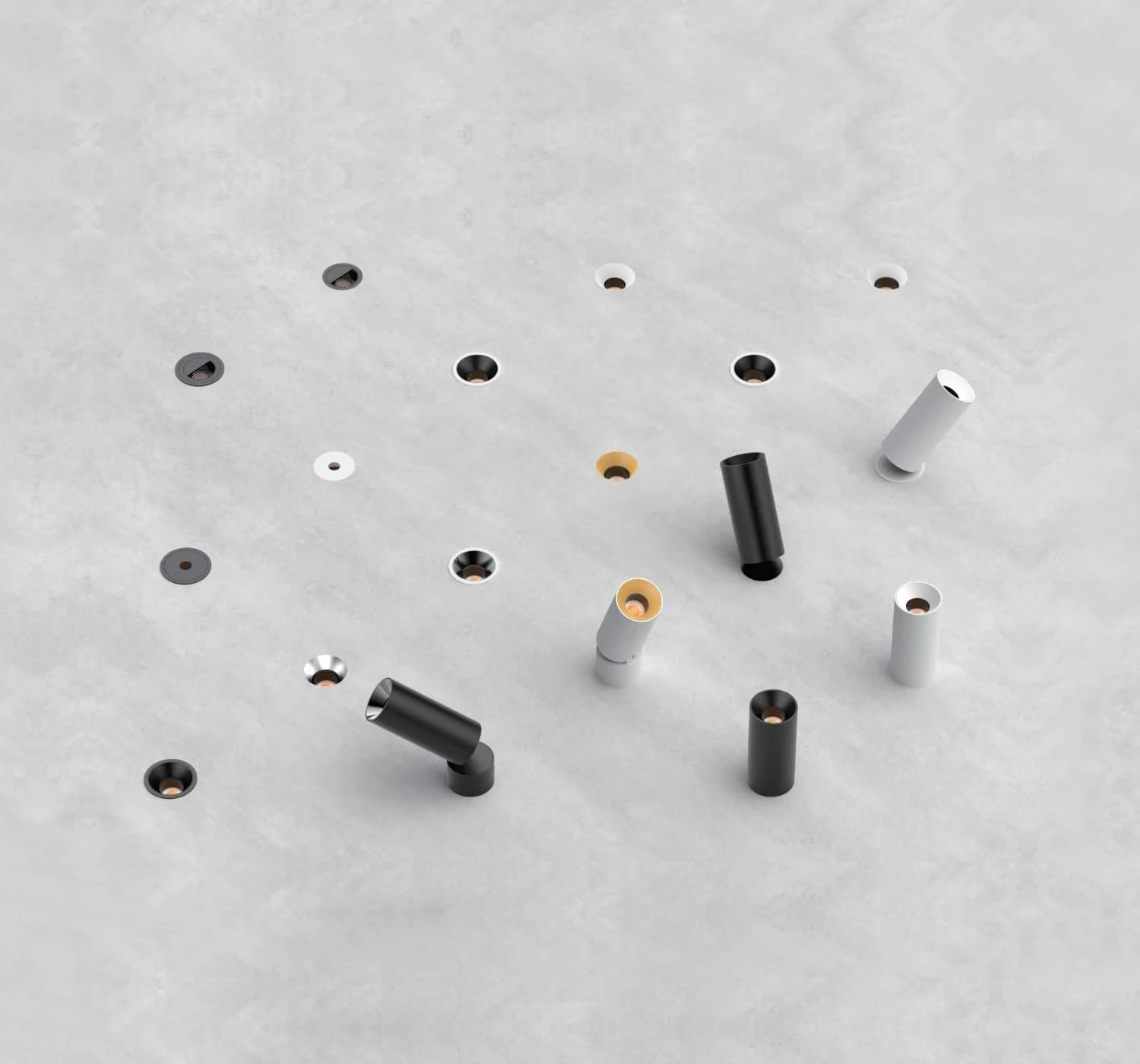
Four systems, one vocabulary.
Every family shares aperture logic, color temperature, and control protocol, so a single project can mix them and still read as one hand.
Different people need different things from us.
You need the scheme to hold up in the drawing set and in the room. We give you the photometrics to defend it, the visualization to sell it, and fixtures that disappear once installed.
You need one supplier, one schedule, and no surprises at rough in. We coordinate directly with your electrician and keep the specification to what can actually be installed.
You need a schedule that matches what is actually in the ceiling, and a supplier who answers the phone during rough in. We issue the fixture schedule and control schematic directly to you.
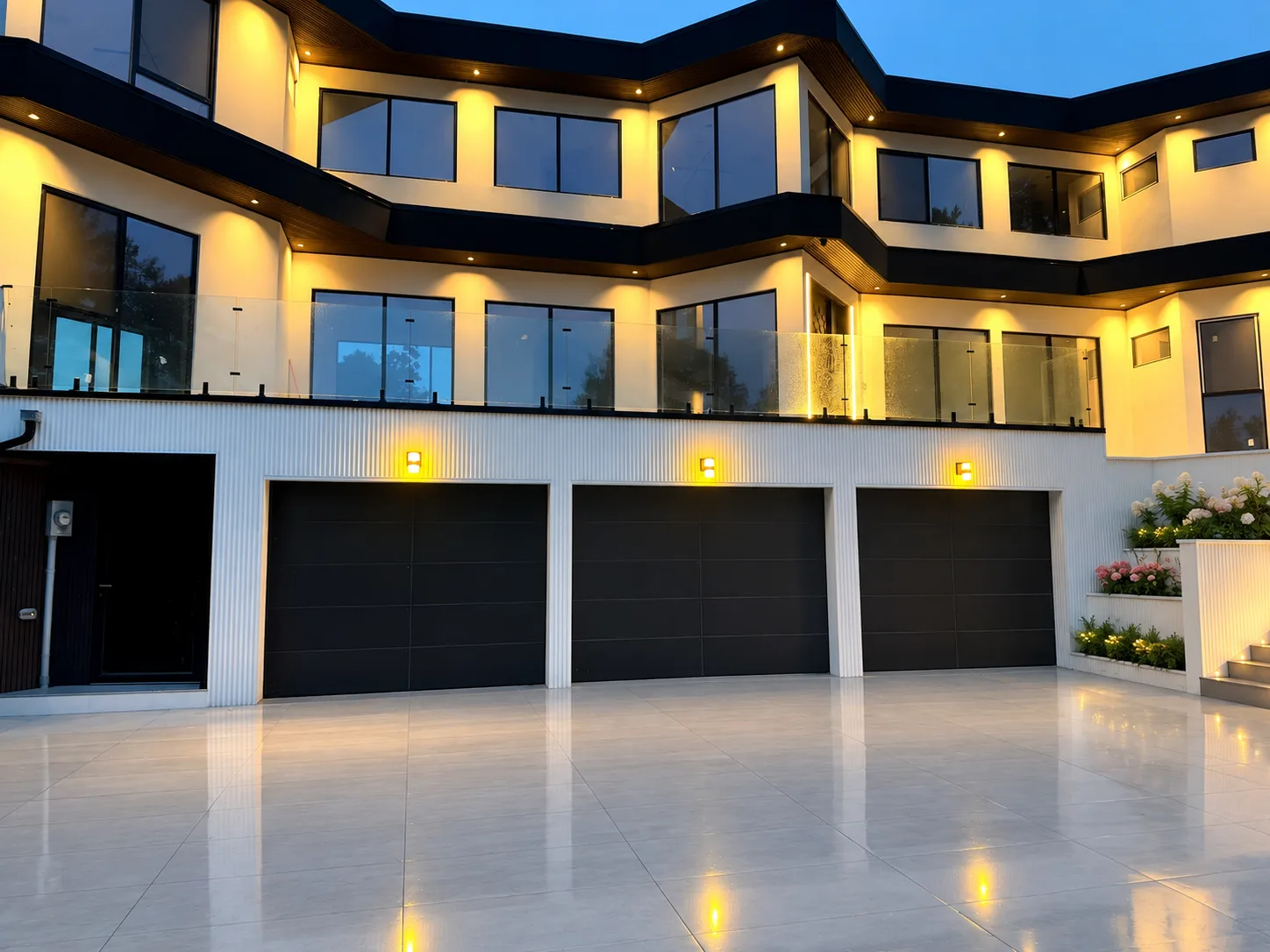
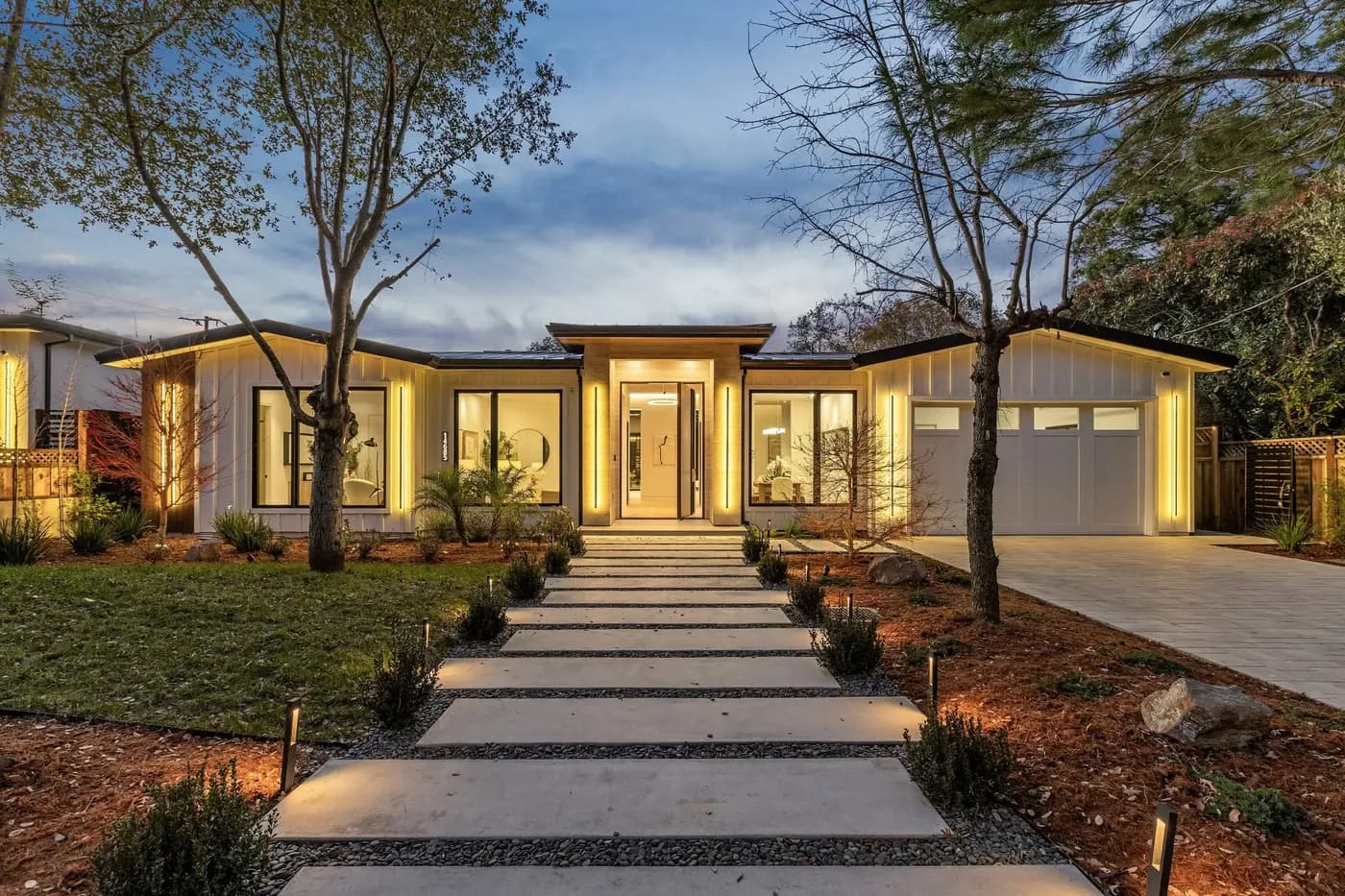
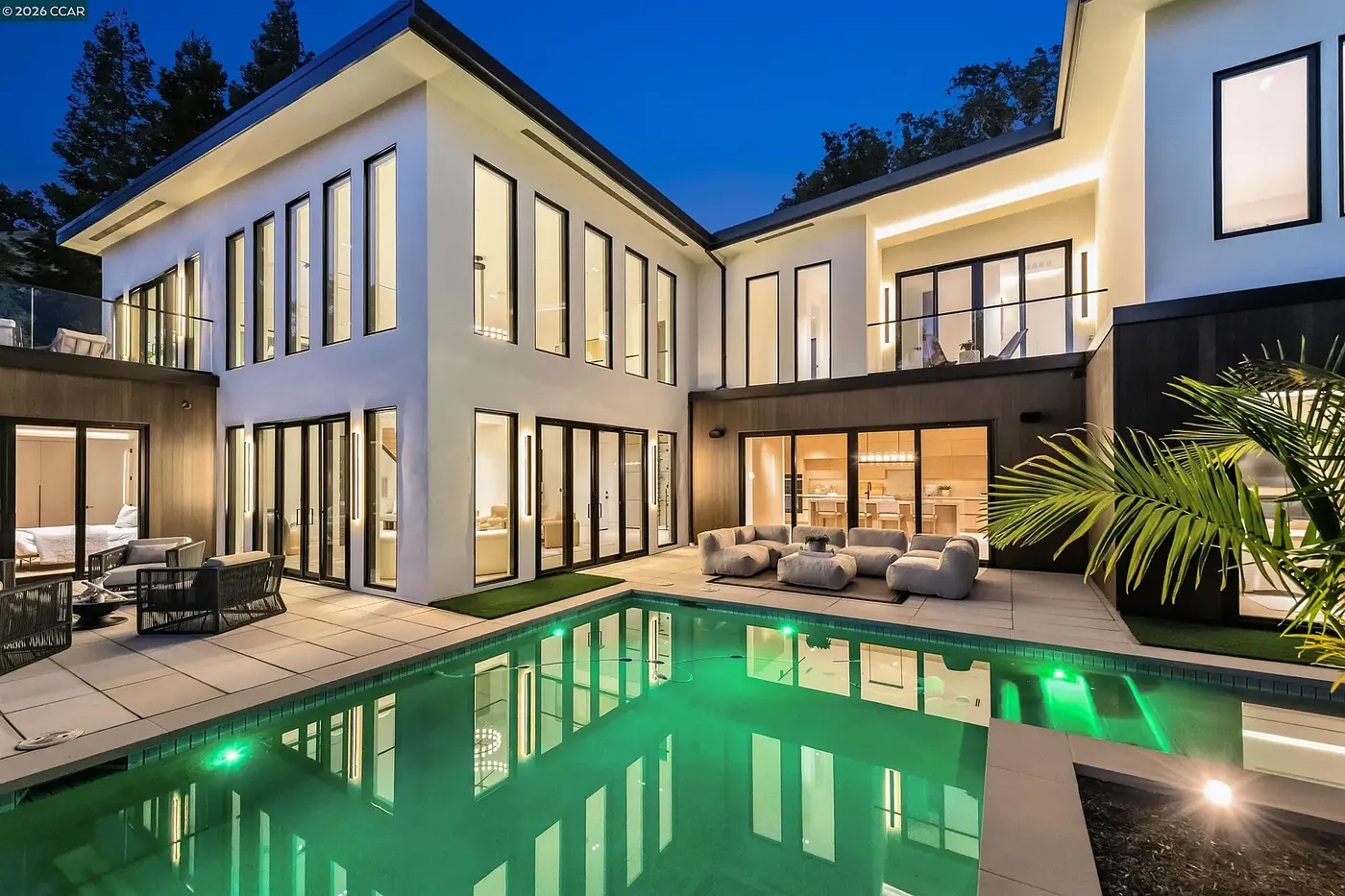
The work speaks first.
Plainly stated.
Nuordic Lighting is based in West Palm Beach, Florida, and works with architects, interior designers, builders, and electrical contractors across residential, commercial, and hospitality projects.
Bring us in while the ceiling is still a drawing.
Send a floor plan and we will return a layout, photometrics, and a fixture schedule your electrician can build from.